
The aerial combat revolution: connected aircraft, drones and information overload
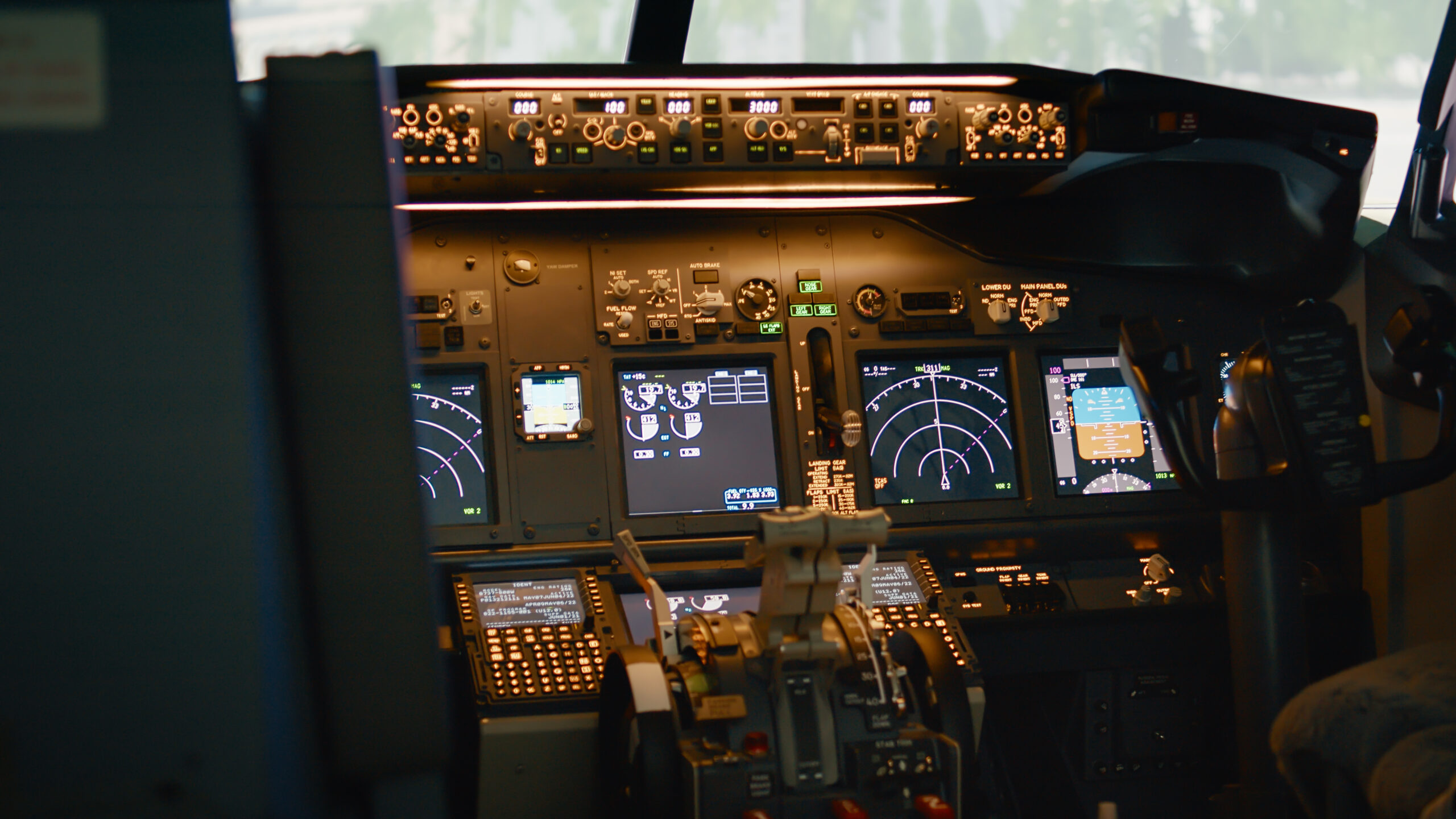
For decades, aerial combat has grown increasingly complex. New fighter jets bring with them a wave of new technologies. Take the example of combat systems integrating sixth-generation fighters (GCAP): the fighter aircraft will no longer be an isolated system but the core of a connected ecosystem with escort drones (loyal wingmen), radars and jammers. All of this data is then centralised in real time within a combat cloud.
For the pilot, the result is a significant and at times overwhelming flow of information. The more powerful the systems, the greater the risk of saturation. In an environment that is both more dynamic and more cognitively demanding, it becomes essential to know which information to send to the pilot, and when. Recent conflicts, particularly in Ukraine, illustrate this shift: the massive use of drones and an increasingly dematerialised form of confrontation are profoundly transforming how operations are conducted.
The pilot’s role is being transformed. The pilot becomes a conductor, tasked with arbitrating, prioritising and deciding. But this requires the right tools, hence the growing need to measure situational awareness in real time.
Measuring situational awareness: making the pilot’s cognitive state visible
Situational awareness is the pilot’s ability to integrate, in real time, everything happening around them: an enemy fighter appearing on radar, a surface-to-air battery that was not identified during the briefing, a threat changing course. Critical information that must be retained, updated and continuously ranked in order of priority, without ever losing the thread of the mission.
Until now, this dimension has been difficult to assess. It depends on many factors: experience level, fatigue, stress, workload, all of which vary from one pilot to another, and from one moment to the next for the same individual.
This is precisely the area addressed by research into biometric signal analysis, and in particular ocular signals: pupil dilation, gaze movements, fixation time. These are all indirect indicators of cognitive activity.
The work is still being refined, but when cross-referenced, analysed and contextualised, this data opens the door to a dynamic reading of a pilot’s capacity to absorb information at the moment it is presented. The next challenge is turning this measurement capability into an operational tool: how can it be concretely integrated into systems to improve decision-making without undermining the pilot’s role?
The augmented pilot and the cockpit of the future: conditions for a controlled transition
If these advances offer a glimpse of what the cockpit of the future might look like, their successful deployment depends on three essential conditions.
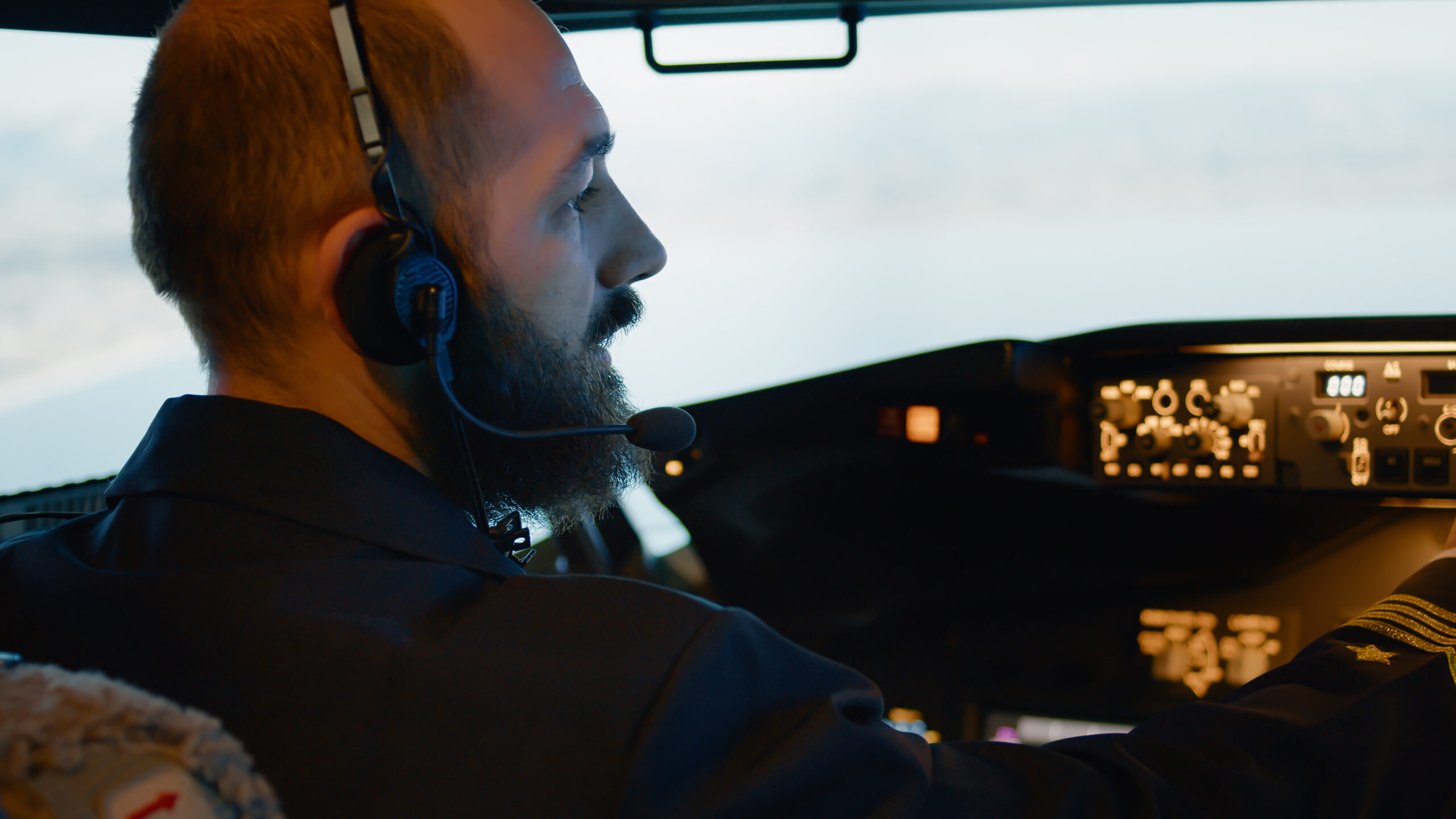
- The first is the place of the human. In critical situations, the pilot must remain in control of the decision. The model taking shape is not one of a replaced pilot, but of an augmented one.
- The second condition is trust. AI systems are there to analyse data and help prioritise information, but they remain above all support tools. What becomes decisive is their reliability and their ability to explain their recommendations clearly, to prevent any misinterpretation.
- Finally, there is a further condition of acceptability: the consent of pilots and the framework governing the use of their individual biometric data.
The future of aerial combat rests on a symbiosis between advanced technologies and human intelligence. Fine-grained measurement of situational awareness through biometrics and AI paves the way for an augmented pilot, capable of managing a tenfold increase in information flow without cognitive overload. The scientific, technical and ethical steps still need to be taken to bring the cockpit of the future into being, one where the human remains at the centre, supported by reliable and explainable intelligence. France, despite facing intense international competition, can draw on its areas of expertise to remain a key player in this strategic revolution.